Body-Focused Repetitive Behaviors (BFRBs)
What Are Body-Focused Repetitive Behaviors (BFRBs)?
Body-focused repetitive behaviors (BFRBs) are repetitive behaviors directed toward the body, such as hair pulling, skin picking, nail biting, and lip or cheek biting. Many people occasionally engage in these behaviors. BFRBs become more concerning when they are difficult to control, cause physical damage or significant distress, or interfere with daily life.
BFRBs include several different behaviors. Trichotillomania (hair-pulling disorder) and excoriation (skin-picking) disorder are recognized in the Diagnostic and Statistical Manual of Mental Disorders (DSM-5-TR) as obsessive-compulsive and related disorders. Other behaviors, such as nail biting and lip or cheek biting, are also commonly considered BFRBs.
Trichotillomania (compulsive hair-pulling disorder) involves recurrent pulling out of one's hair, resulting in hair loss. Hair may be pulled from different areas of the body, with the scalp, eyebrows, and eyelashes among the most common sites.
Excoriation (skin-picking) disorder involves recurrent picking of the skin that results in skin lesions. Repeated picking can also contribute to scarring and other physical complications.
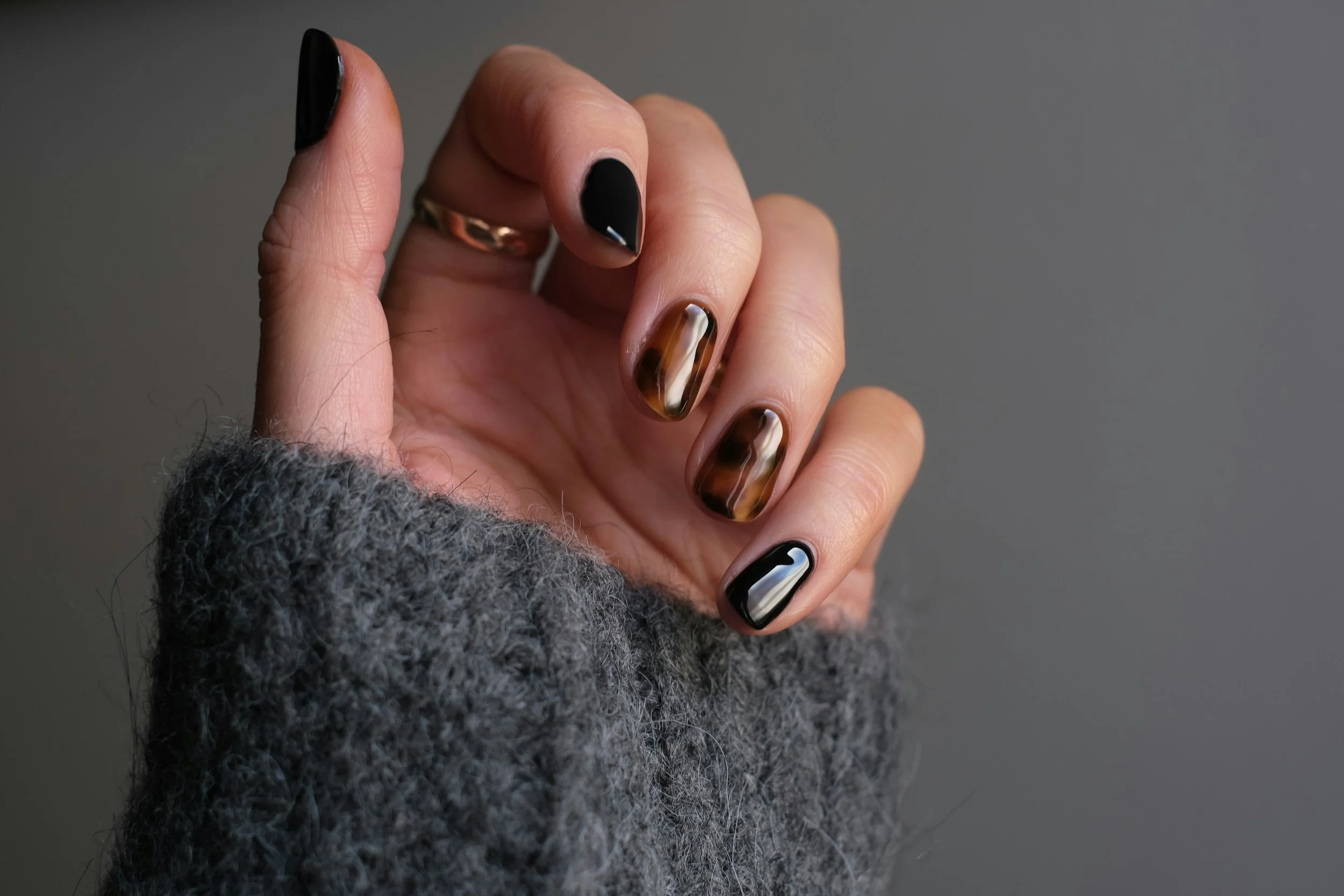
Onychophagia (nail biting) involves recurrent biting or chewing of the nails and may result in damage to the nails or surrounding skin.




Read More About Trichotillomania
Read More About Excoriation

Read More About Onychophagia
BFRBs are more common than many people realize. Although BFRBs are often stigmatized and misunderstood, research suggests that they are relatively common. Trichotillomania (hair-pulling disorder) affects approximately 1% of the population (Thomson et al., 2022), while excoriation (skin-picking) disorder affects approximately 3% of the population (Grant et al., 2012). Despite their prevalence, many people with BFRBs experience shame or embarrassment about their behavior, which can make it difficult to seek treatment.
BFRBs can involve both focused and automatic patterns, and many people experience a combination of the two. Focused BFRBs occur with greater awareness and may be triggered by urges, emotions, thoughts, or uncomfortable sensory experiences. Automatic BFRBs occur with less awareness, such as pulling, picking, or biting while watching television, reading, working, or engaging in other activities.
BFRBs can have significant physical consequences, including skin damage, scarring, infection, and hair loss. They can also contribute to shame, embarrassment, avoidance, and reduced self-esteem and may interfere with work, school, relationships, and other areas of daily life.
Fortunately, BFRBs are treatable. Habit Reversal Training (HRT) is one of the best-supported behavioral treatments for BFRBs.
What is Habit Reversal Training (HRT)?
HRT increases awareness of BFRBs and the situations, sensations, urges, and other factors associated with them. It also teaches behavioral strategies that make it more difficult to engage in pulling, picking, biting, or other BFRBs. Treatment typically includes:
Awareness training: Learning to notice the BFRB, early movements associated with it, urges, and the situations in which it is most likely to occur. Self-monitoring, such as briefly logging when and where pulling, picking, or biting occurs, can help identify patterns and triggers.
Competing response training: Learning to engage in a behavior that is physically incompatible with the BFRB when an urge or early warning sign occurs. For example, depending on the specific BFRB, this might involve gently making a fist or placing the hands in another position that prevents pulling or picking.
Stimulus control: Identifying situations and environmental cues associated with the BFRB and making targeted changes that reduce opportunities for the behavior or increase awareness when it begins.
Social support: When helpful, a trusted loved one, friend, roommate, or partner may support treatment by reinforcing the use of treatment strategies or gently helping increase awareness of automatic BFRBs.
Maintenance and relapse prevention: Practicing treatment skills across different situations and developing a plan for responding to lapses and maintaining progress over time.
Habit Reversal Training has substantial research support (Skurya et al., 2020), particularly for trichotillomania, and HRT and related behavioral interventions are also used to treat excoriation disorder and other BFRBs. Treatment is most useful when it is individualized to the person's specific behavior and the factors that trigger and maintain it.
Another approach to treating BFRBs is the Comprehensive Behavioral Model (ComB). Although often presented as distinct from HRT, the two approaches share many similarities. I've written more about how HRT and ComB compare in clinical practice.
Summary
Body-focused repetitive behaviors include recurrent behaviors such as hair pulling, skin picking, and nail biting that can become difficult to control and may cause physical damage, distress, or problems in daily life. BFRBs often involve a combination of automatic and focused patterns, which is why effective treatment begins by understanding when, where, and why the behavior occurs. Habit Reversal Training is an evidence-based behavioral treatment that uses awareness training, competing responses, stimulus control, and related strategies to help people gain greater control over BFRBs.
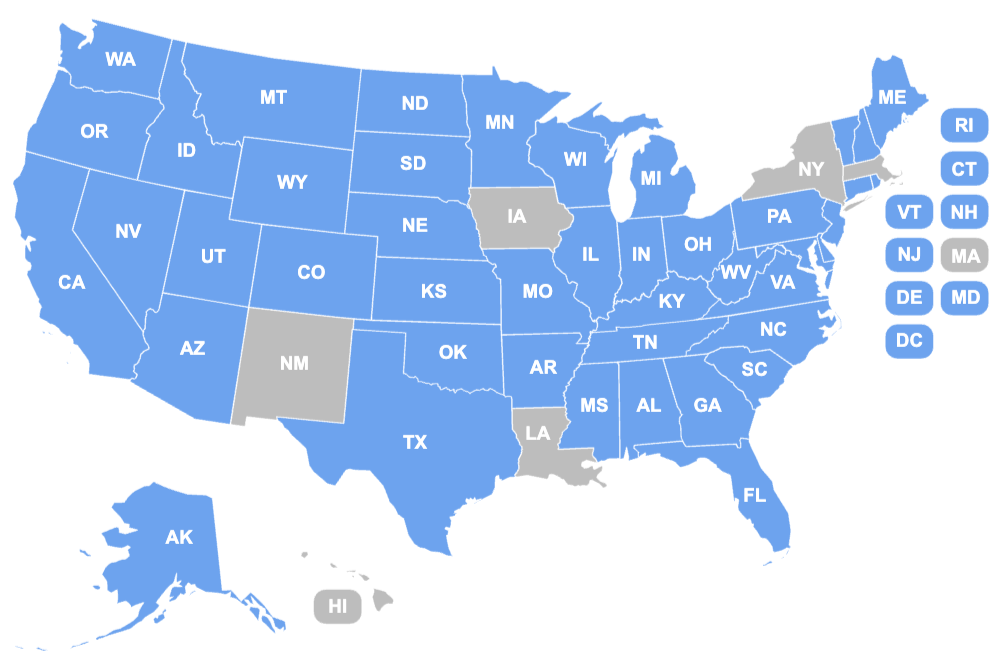
If you or someone you know is struggling with hair pulling, skin picking, or nail biting, finding a therapist who specializes in BFRBs can be a great first step. I am a graduate of The TLC Foundation for BFBRs Virtual Professional Training Institute. I serve Las Vegas, NV, and Nevada statewide as well as Portland, OR, and all of Oregon statewide (California and to 40+ PsyPACT states). You may call me at (702) 530-6134, schedule an initial consultation, or use the contact form to take the first step and to develop a personalized treatment plan.
-
American Psychiatric Association. (2022). Diagnostic and statistical manual of mental disorders (5th ed., text rev.). https://doi.org/10.1176/appi.books.9780890425787
Grant, J. E., Odlaug, B. L., Chamberlain, S. R., Keuthen, N. J., Lochner, C., & Stein, D. J. (2012). Skin picking disorder. American Journal of Psychiatry, 169(11), 1143-1149.
Skurya, J., Jafferany, M., & Everett, G. J. (2020). Habit reversal therapy in the management of body focused repetitive behavior disorders. Dermatologic Therapy, 33(6), e13811.
Thomson, H. A., Farhat, L. C., Olfson, E., Levine, J. L., & Bloch, M. H. (2022). Prevalence and gender distribution of trichotillomania: A systematic review and meta-analysis. Journal of Psychiatric Research 153, 73-81.
BFRB Treatment Online in Nevada, Oregon, Arizona & 40+ States.

My Background in Nevada

My Background in Oregon

My Background in Arizona
And All PsyPACT States